
Table of Contents
Despite the rise of no-code tools and closed CMS platforms, WordPress, powered by PHP, remains the most reliable choice for building SEO-friendly business websites in 2026. Its flexibility, scalability, plugin ecosystem, schema support, and technical SEO capabilities make it the preferred platform for businesses that want long-term visibility on Google. This blog explains why WordPress + PHP continues to dominate SEO-focused website development.

Why Platform Choice Matters for SEO in 2026
SEO success today depends heavily on how your website is built.
Google evaluates:
- Page speed & performance
- Technical structure
- Scalability
- Schema & structured data
- Mobile experience
- Crawlability
WordPress + PHP gives businesses full control over all these ranking factors something many closed platforms still restrict.
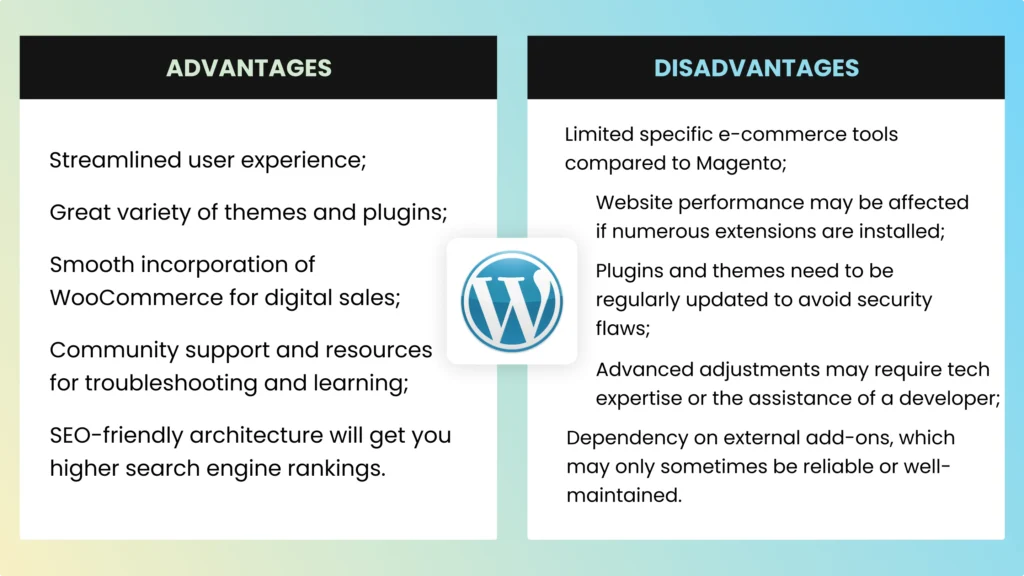
SEO Advantages of WordPress for Business Websites
WordPress is SEO-friendly by design.
Key SEO Advantages of WordPress:
- Clean, crawlable code structure
- Full control over meta tags & URLs
- Easy content optimization
- Native blog & content publishing
- Strong internal linking capabilities
With the right setup, an SEO-friendly WordPress website can outperform most proprietary CMS platforms.
PHP Scalability: Why It Matters for Growing Businesses
PHP is not outdated it’s powerful and scalable.
How PHP Supports SEO Growth:
- Handles high traffic efficiently
- Optimized server-side processing
- Faster Time to First Byte (TTFB)
- Scales with business expansion
- Supports complex SEO architectures
PHP-based websites allow businesses to grow without compromising performance or SEO stability.
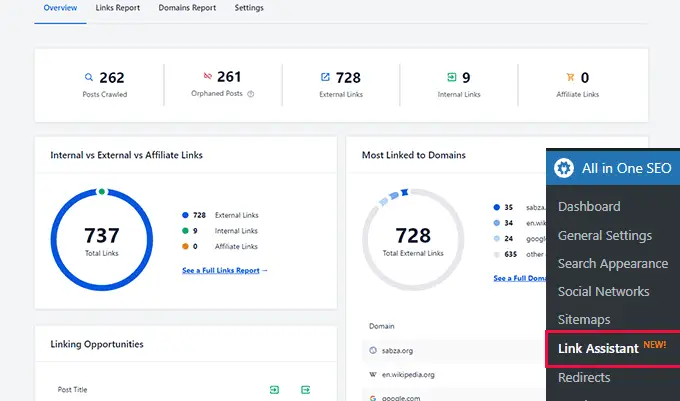
WordPress Plugins: A Massive SEO Advantage
One of the biggest reasons WordPress dominates SEO is its plugin ecosystem.
SEO Benefits of WordPress Plugins:
- Advanced on-page SEO control
- Schema & structured data support
- Performance & caching optimization
- Image and asset optimization
- Analytics & tracking integration
Unlike closed platforms, WordPress plugins allow custom SEO solutions, not one-size-fits-all setups.
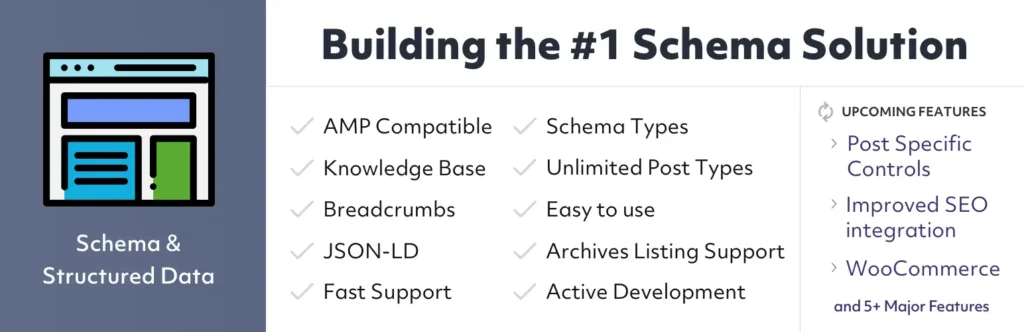
Schema Markup & Structured Data Made Easy
Schema markup is essential for:
- Rich results
- Featured snippets
- AI-powered search visibility
WordPress makes schema implementation simple through:
- SEO plugins
- Custom PHP-based schema logic
- Page-level structured data
This gives WordPress websites an edge in modern search results.
Technical SEO Control with WordPress + PHP
Technical SEO is where WordPress truly shines.
Technical SEO Capabilities:
- Full control over site architecture
- Advanced URL structures
- Custom redirects & canonical tags
- XML sitemaps & crawl control
- Core Web Vitals optimization
- Server-level performance tuning
With PHP access, developers can fine-tune performance at the code level something many website builders don’t allow.
SEO-Friendly WordPress Website vs Closed CMS Platforms
| WordPress + PHP | Closed CMS |
|---|---|
| Full SEO control | Limited SEO settings |
| Custom technical optimization | Restricted backend |
| Scalable architecture | Scalability limits |
| Advanced schema support | Basic structured data |
| Plugin-based flexibility | Fixed features |
For businesses serious about SEO, WordPress remains the smarter choice.
PHP Website Development SEO: Built for Long-Term Rankings
SEO is not a short-term game.
PHP website development SEO allows:
- Custom SEO logic
- Performance-first development
- SEO-friendly database queries
- Clean HTML output
- Better crawl efficiency
This ensures ranking stability even during Google algorithm updates.
WordPress SEO Services: Why Experts Still Prefer WordPress
Most SEO professionals prefer WordPress because:
- It’s predictable for Google
- Easy to audit and optimize
- Supports technical experimentation
- Scales across industries
WordPress SEO services are more effective because the platform supports every SEO discipline on-page, technical, local, and content SEO.
Expert Insight by Harsh Mittal – Technical SEO Expert (Digital Project Manager)
According to Harsh Mittal – Technical SEO Expert (Digital Project Manager), businesses using WordPress with PHP-based optimisation gain a long-term SEO advantage due to flexibility, performance control, and scalability.
His technical SEO approach focuses on:
- SEO-first WordPress architecture
- PHP-level performance tuning
- Schema-driven search visibility
- Core Web Vitals optimization
Common Myths About WordPress & SEO
- ❌ WordPress is slow by default
- ❌ PHP is outdated
- ❌ Plugins hurt SEO
✅ In reality, poor configuration causes problems not WordPress or PHP.
Final Thoughts: WordPress + PHP Still Wins for SEO
In 2026, businesses need platforms that support:
- Technical SEO
- Performance optimization
- Scalability
- Structured data
- Long-term growth
WordPress + PHP continues to be the best choice for SEO-friendly business websites, offering unmatched flexibility, control, and performance.
If SEO is a priority for your business, WordPress remains the safest and smartest investment.
FAQs – WordPress, PHP & SEO
Is WordPress good for SEO in 2026?
Yes. WordPress remains one of the most SEO-friendly platforms thanks to its flexibility, clean structure, and full control over on-page and technical SEO.
Does PHP affect website SEO?
Yes. PHP performance directly impacts page speed, Core Web Vitals, and server response time, which all influence SEO performance in 2026.
Are WordPress plugins safe for SEO?
Yes—when used selectively and correctly configured. Too many or poorly coded plugins can hurt performance, but the right ones enhance SEO.
Can WordPress handle large business websites?
Absolutely. With proper PHP optimization, caching, and scalable hosting, WordPress can support enterprise-level websites and high traffic.
Is schema markup easy to implement on WordPress?
Yes. WordPress supports schema markup through plugins or custom code, making it easier to qualify for rich results in Google.
Does WordPress support technical SEO requirements?
Yes. WordPress fully supports site structure optimization, indexing control, speed optimization, mobile SEO, and Core Web Vitals improvements.
Are closed CMS platforms better than WordPress for SEO?
No. Closed CMS platforms often limit technical SEO flexibility, making advanced optimization harder compared to WordPress.
Can WordPress scale as website traffic grows?
Yes. Its PHP-based architecture, combined with modern hosting and optimization, allows WordPress to scale smoothly with traffic growth.
Is WordPress suitable for service-based businesses?
Yes. WordPress is ideal for SEO-driven lead generation, making it a top choice for service businesses targeting local and organic traffic.
Who should manage WordPress SEO services?
A technical SEO expert with strong WordPress and PHP experience—someone who understands performance, scalability, and modern ranking factors.