






Amazon SEO Strategy
In the competitive Amazon marketplace, your product's visibility directly impacts your sales. An effective Amazon SEO strategy ensures your listings are discoverable, relevant, and persuasive giving you a measurable edge over competitors.
Whether you’re launching a new product or scaling existing ASINs, our Amazon SEO Strategy focuses on both ranking and conversions, helping you grow revenue without increasing ad spend.
Backed by Years of Experience
I help businesses achieve proven results and real growth through data-driven digital strategies. With over $1M in client revenue generated, my work goes beyond promises and delivers measurable outcomes. I have successfully scaled 100+ brands globally, empowering startups as well as established companies to expand their reach and excel in competitive markets. My expertise in SEO has led to 50+ websites ranking on the first page, ensuring maximum visibility and sustainable growth. Backed by years of hands-on experience across diverse industries, I bring deep knowledge, strategic insight, and innovative solutions to every project I undertake.
In-Depth Website Audit
What is Amazon SEO?
Amazon SEO is the process of optimising your product listings to rank higher in Amazon’s internal search results (A9 algorithm), leading to increased visibility, higher click-through rates, and ultimately more sales.
Unlike Google SEO, Amazon’s search engine prioritises conversion-driven relevance, making it essential to balance keywords, content, and sales data.
Grow product rankings on marketplaces using Amazon SEO Strategy paired with Flipkart SEO Strategy, targeted SEO Optimization, and performance-focused E-commerce SEO Services.
Our strategy is built around five essential pillars:
Core Pillars of Amazon SEO Strategy

Keyword Research & Targeting
We use tools like Helium 10, Jungle Scout, and Amazon Brand Analytics to discover high-converting keywords relevant to your product.
1) Focus on both short-tail and long-tail keywords.
2) Prioritize backend search terms, exact match, and broad match keywords.
3) Monitor competitor listings to find keyword gaps and opportunities.

Optimizing product listings is the foundation of any Amazon SEO strategy.
Listing Optimization

Title Optimization
1) Include the primary keyword near the beginning.
2) Highlight USPs (Unique Selling Points) like size, quantity, compatibility, etc..
3) Stay within Amazon’s character limits for your category.

Bullet Points
1) Use clear, benefit-driven bullet points.
2) Integrate secondary keywords naturally.
3) Focus on pain points, benefits, and differentiators.

Product Description & A+ Content
1) Write detailed descriptions that educate and persuade.
2) Include lifestyle storytelling where relevant.
3) Use A+ Content (if brand registered) for better formatting, visuals, and trust.
Optimizing product listings is the foundation of any Amazon SEO strategy.
Visual SEO & Conversion Rate Optimization

Product Images
1) High-resolution main image on white background.
2) Multiple angles, infographics, lifestyle images.
3) Zoom-enabled and mobile-optimized.

Videos (Optional)
1) Demonstrate product use.
2) Share brand story.
3) Add trust-building visual content.

Backend Optimization
Amazon allows up to 250 characters in the backend search terms section—an underutilized SEO goldmine.
1) Add misspellings, synonyms, and relevant keywords not used in the visible listing.
2) Avoid repetition and brand names.
3) Use all allowed fields: Search Terms, Subject Matter, Intended Use, Target Audience, etc.

Conversion Signals & Performance Factors
Amazon's algorithm considers performance-based metrics when ranking listings:
1. CTR (Click-Through Rate): Influenced by title, image, price, reviews.
2. CVR (Conversion Rate): Higher conversions boost rankings.
3. Reviews & Ratings: Improve through post-purchase follow-up, seller support.
4. Inventory Health: Always keep ASINs in stock.
5. Fulfillment Method: FBA generally ranks better than FBM due to Prime eligibility.
Technical SEO Analyst | Amazon SEO Optimization Expert
Advanced Amazon SEO Tactics

A/B Testing (via Manage Your Experiments)
Run experiments on titles, images, and A+ content to optimize for performance.

Competitor Analysis
Regularly analyze competitor listings, pricing strategies, and keywords to refine your edge.

Sales History Optimization
Maintain consistent sales velocity—run promotional campaigns and PPC with an SEO-first mindset.

Keyword Re-indexing
Monitor indexing regularly using tools like Helium 10. Refresh or replace keywords not indexed or underperforming.

Voice Search Readiness
Optimize listings for voice queries by using natural language phrases and question-based keywords.

Tools We Use
1) Helium 10.
2) Jungle Scout.
3) Amazon Brand Analytics.
4) DataDive.
5) Listing Analyzer Tools.
6) Manage Your Experiments (MYE).

Why Amazon SEO Matters
1) Increases organic visibility without high ad spend.
2) Boosts your Buy Box eligibility.
3) Drives long-term sales growth.
4) Improves your product’s discoverability.
5) Builds brand authority within Amazon’s ecosystem.
Want to Rank Your Products Higher on Amazon?
Let’s build a custom Amazon SEO strategy for your brand. Whether you're a first-time seller or scaling an enterprise-level catalog, our strategies are designed to rank, convert, and scale.
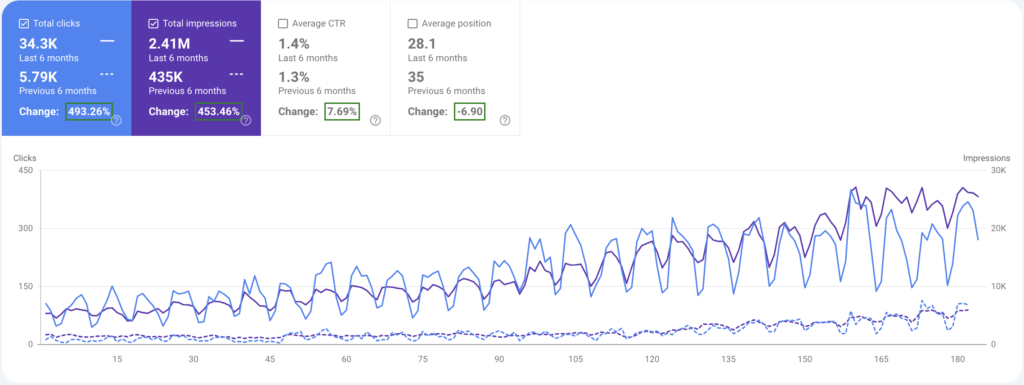
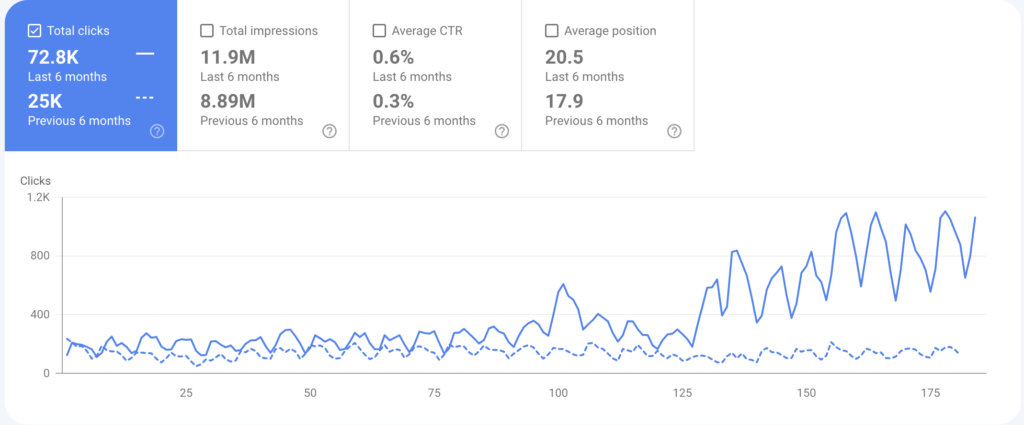
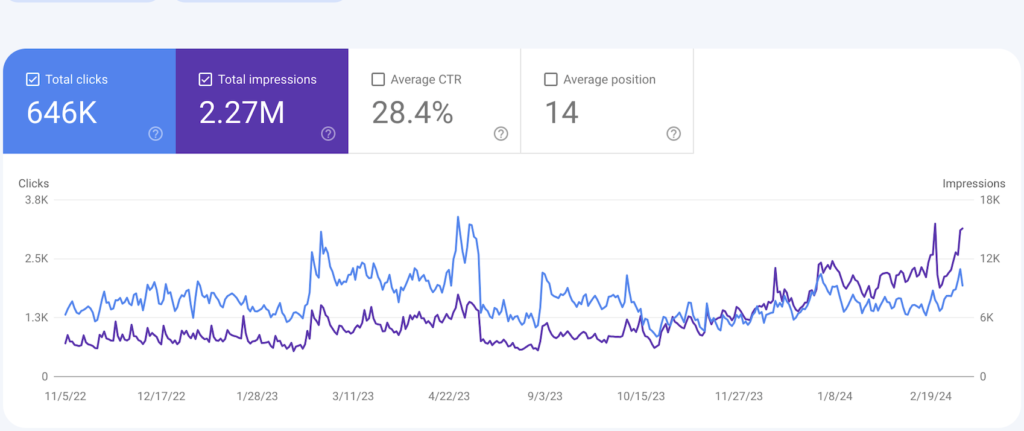
Impact in Numbers
What We’ve Delivered?
Rank Higher & Sell More on Amazon
Amazon SEO Strategy - Frequently Asked Questions (FAQs)
Selling on Amazon is competitive—but with the right Amazon SEO Strategy, your products can rise to the top of search results, attract more clicks, and generate consistent sales. This strategy focuses on optimizing your product listings, improving your seller metrics, and aligning with Amazon’s A9 (or A10) search algorithm. Whether you’re a new seller or a seasoned brand, understanding and applying Amazon SEO best practices is essential for success.
Complete Amazon SEO Strategy
Here’s a step-by-step breakdown of a powerful Amazon SEO strategy:
Amazon SEO refers to the process of optimizing product listings to improve their visibility and ranking in Amazon’s internal search results, increasing traffic and sales.
Amazon's algorithm ranks products based on relevance and performance metrics such as keywords, sales velocity, conversion rate, product availability, and customer reviews.
Without proper SEO, your products may not appear in search results. Good SEO helps increase product visibility, traffic, and ultimately, conversions and sales.
Key elements include the product title, bullet points, description, backend search terms, images, pricing, and reviews.
Use tools like Helium 10, Jungle Scout, or Amazon's Search Term Report to find high-volume, relevant keywords based on customer searches.
Include your primary and secondary keywords naturally across the title, bullet points, description, and backend search terms—avoid keyword stuffing.
Backend search terms are hidden keywords that help improve discoverability. They should include synonyms, alternate spellings, and relevant keywords not used in the visible content.
Aim for 150–200 characters, depending on the product category. Start with the primary keyword and include brand, key features, size, or variant.
While A+ Content doesn’t directly impact SEO rankings, it can improve conversions and customer engagement, which indirectly helps SEO performance.
Yes. While Amazon doesn’t read images for SEO, optimized images improve CTR and conversion, which influence your product’s ranking.