
In 2026, WordPress SEO is no longer just about content and backlinks. Google now heavily prioritises Core Web Vitals, PHP performance, website speed, and technical ranking factors. Since WordPress is a PHP-based CMS, optimising PHP performance and WordPress speed are crucial for ranking faster on Google. This guide explains how WordPress and PHP websites can gain a competitive SEO advantage in 2026.
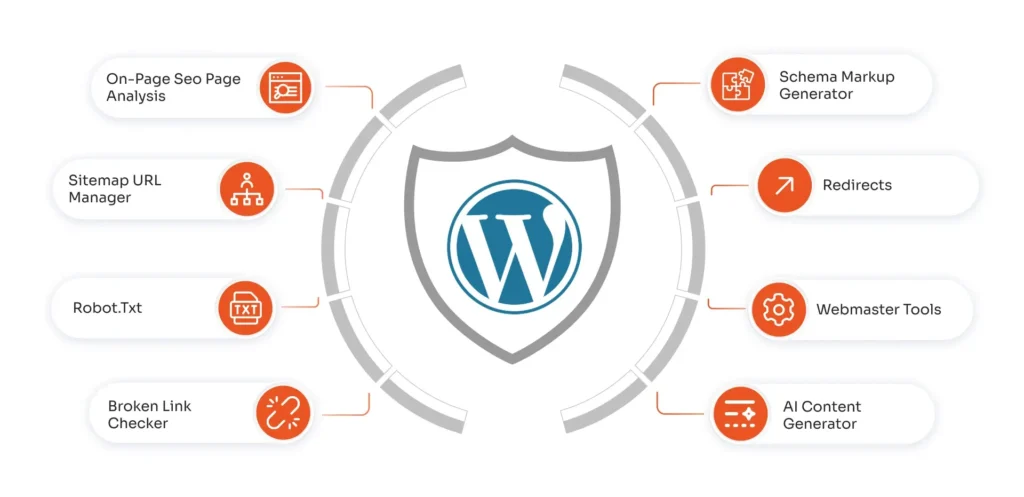
Why WordPress SEO Is Different in 2026
WordPress still powers over 40% of the web, but Google’s algorithm has evolved.
In 2026, Google evaluates websites based on:
- User experience
- Page speed & performance
- Code efficiency
- Core Web Vitals
- Mobile usability
Because WordPress runs on PHP, PHP execution speed, database queries, and server response time directly impact SEO performance.
PHP Website SEO: Why Performance Matters
PHP performance is no longer just a developer concern; it’s an SEO ranking factor.
How PHP Performance Affects SEO:
- Slow PHP execution = slow page load
- High TTFB (Time to First Byte)
- Poor Core Web Vitals scores
- Lower crawl efficiency
- Reduced rankings
Optimized PHP websites load faster, rank better, and convert more users.
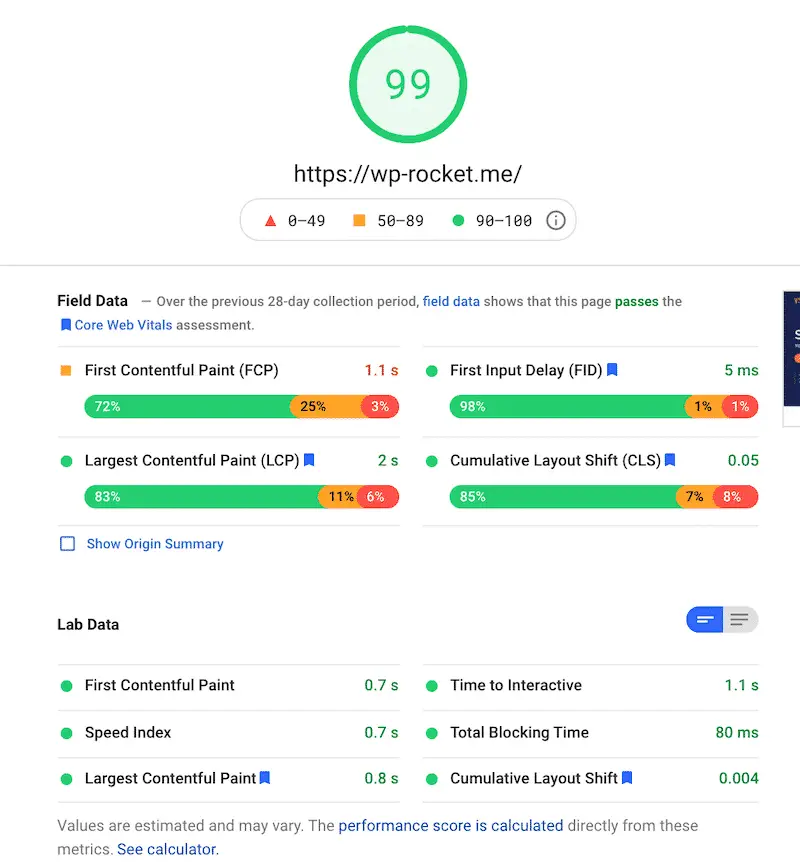
Core Web Vitals as a Ranking Factor in 2026
Google’s Core Web Vitals remain a critical ranking factor.
The Three Core Metrics:
- LCP (Largest Contentful Paint): Loading speed
- INP (Interaction to Next Paint): Responsiveness
- CLS (Cumulative Layout Shift): Visual stability
WordPress sites with bloated themes and unoptimized PHP often fail these benchmarks.
Improving PHP performance directly improves Core Web Vitals scores.
WordPress Speed Optimisation: What Actually Works
Generic speed plugins are not enough in 2026.
Effective WordPress Speed Optimisation Includes:
- Optimizing PHP version (PHP 8.2+)
- Reducing unnecessary plugins
- Using lightweight themes
- Server-side caching
- Database optimization
- Object caching (Redis / Memcached)
- Image & font optimization
Speed is no longer optional it’s a ranking necessity.
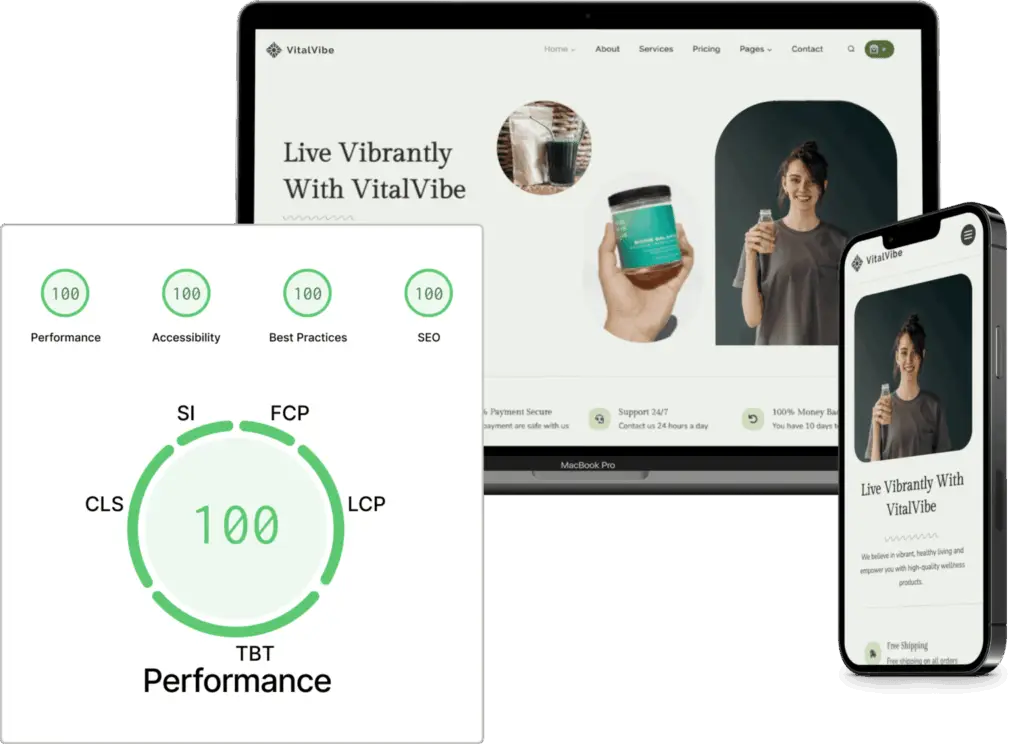
WordPress Performance Optimisation at the Code Level
True performance gains come from backend optimization, not just plugins.
Technical Improvements That Boost SEO:
- Optimized PHP loops & queries
- Reduced render-blocking scripts
- Efficient theme architecture
- Clean WordPress hooks & filters
- Optimized REST API usage
Well-structured PHP code allows Googlebot to crawl and index faster.
Ranking Factors for WordPress & PHP Websites in 2026
Modern ranking factors go beyond content.
Key SEO Ranking Factors:
- Core Web Vitals performance
- Mobile-first optimization
- PHP execution speed
- Server response time
- Clean HTML output
- Structured data (Schema)
- Secure HTTPS setup
- Internal linking structure
WordPress websites that address both technical SEO + performance rank faster and more consistently.
How Faster WordPress Sites Rank Faster on Google
Google rewards websites that:
- Load quickly on mobile
- Provide smooth interactions
- Reduce layout shifts
- Offer a stable UX
A fast WordPress site:
- Improves crawl budget
- Reduces bounce rate
- Increases dwell time
- Sends positive engagement signals
These factors directly influence SEO rankings.
WordPress SEO vs Generic CMS SEO
| WordPress SEO | Other CMS |
|---|---|
| Highly customizable | Limited flexibility |
| PHP-level optimization possible | Restricted backend access |
| Strong plugin ecosystem | Smaller ecosystem |
| Faster SEO experimentation | Slower changes |
When optimized correctly, WordPress outperforms most CMS platforms in SEO.
Expert Insight by Harsh Mittal – Technical SEO Expert (Digital Project Manager)
According to Harsh Mittal, Technical SEO Expert (Digital Project Manager), WordPress websites that focus on PHP performance, Core Web Vitals, and backend optimisation gain a significant SEO advantage in 2026.
His technical SEO approach emphasises:
- PHP-based performance tuning
- WordPress speed optimisation beyond plugins
- Core Web Vitals–focused audits
- SEO-friendly WordPress architecture
Common WordPress SEO Mistakes in 2026
- Relying only on speed plugins
- Ignoring PHP version upgrades
- Using heavy themes & page builders
- Poor hosting environments
- No Core Web Vitals monitoring
Fixing these issues often leads to immediate ranking improvements.
Final Thoughts: WordPress SEO Success in 2026
WordPress SEO in 2026 is a technical game.
Websites that win are the ones that:
- Optimize PHP performance
- Pass Core Web Vitals
- Improve WordPress speed optimisation
- Align with modern ranking factors
If you want your WordPress or PHP-based website to rank faster on Google, performance-driven SEO is no longer optional it’s essential.
FAQs – WordPress SEO & PHP Performance
Is PHP performance a ranking factor in 2026?
Indirectly, yes. PHP performance impacts Core Web Vitals, page speed, and server response time, all of which influence search rankings in 2026.
Why is WordPress speed important for SEO?
Website speed affects user experience, bounce rates, and Google rankings. Faster WordPress sites retain users and perform better in search results.
What PHP version is best for WordPress SEO?
PHP 8.2 or higher is recommended for better performance, improved security, and faster execution—helping WordPress sites load quicker and rank better.
Do Core Web Vitals affect WordPress rankings?
Yes. Core Web Vitals are confirmed ranking signals, especially for mobile-first indexing and competitive SERPs.
Are plugins enough for WordPress speed optimization?
No. While plugins help, backend optimization, clean code, database tuning, and server configuration are essential for real performance gains.
Does hosting affect WordPress SEO?
Absolutely. Server quality and response time directly impact page speed, crawl efficiency, and overall SEO performance.
Can PHP optimization improve crawl budget?
Yes. Faster-loading pages allow search engines to crawl more URLs efficiently, improving indexation and visibility.
Are page builders bad for WordPress SEO?
Not always, but heavy or poorly optimized page builders can slow down sites and negatively affect performance and rankings.
Is technical SEO more important than content in 2026?
Both matter. Content drives relevance, but technical SEO ensures your content is accessible, fast, and rank-ready.
Who should manage WordPress technical SEO?
A technical SEO expert with strong PHP and WordPress experience—someone who understands performance, crawling, indexing, and modern ranking factors.