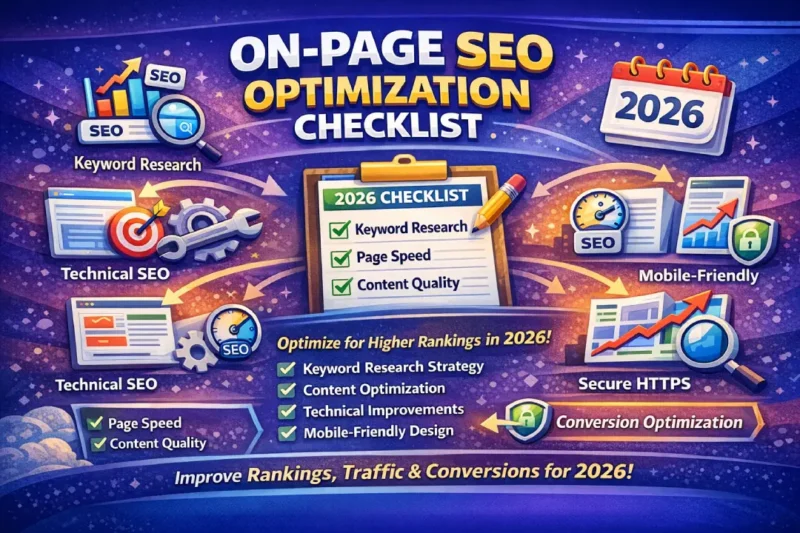
Search engine optimization has evolved significantly over the past few years. With AI-powered search engines, Google’s helpful content systems, and the rise of Answer Engine Optimization (AEO) and Generative Engine Optimization (GEO), many marketers wonder whether traditional on-page SEO still matters.
The answer is simple yes, it matters more than ever.
Modern on-page SEO isn’t about stuffing keywords into a page. Instead, it’s about creating valuable, well-structured, search-intent-focused content that helps both users and search engines understand your website.
In this guide, you’ll discover the most effective on-page SEO techniques that still work in 2026, how to implement them correctly, and why businesses continue to achieve higher rankings using these proven strategies.
Why On-Page SEO Is Still Important in 2026
Google continues to prioritize websites that provide helpful, trustworthy, and well-organized content. While AI has changed how users search, search engines still rely on strong on-page signals to understand page relevance.
Effective on-page SEO helps:
- Improve keyword rankings
- Increase organic traffic
- Enhance user experience
- Reduce bounce rate
- Improve AI search visibility
- Increase conversions
- Build website authority
Without proper optimization, even excellent content may struggle to rank.
Focus on Search Intent Before Keywords
- One of the biggest SEO changes in recent years is Google’s ability to understand search intent.
- Instead of writing content around a single keyword, create pages that completely answer the user’s question.
For example, someone searching for On-page SEO techniques wants practical optimization tips rather than a basic definition.
Content that satisfies intent generally earns better rankings, longer engagement, and more featured snippets.
Create Helpful, Original Content
Google rewards content that demonstrates expertise, experience, authority, and trustworthiness (E-E-A-T).
Every page should provide:
- Original insights
- Practical examples
- Updated information
- Clear explanations
- Actionable recommendations
Avoid creating pages solely to target keywords. Instead, build content that genuinely helps your audience solve a problem.
Optimize Your Meta Title and Meta Description
Meta tags remain one of the strongest on-page SEO elements.
Best Practices
Meta Title
- Include the primary keyword naturally
- Keep under 60 characters
- Add your brand name
- Make it compelling
Meta Description
- Stay within 150–160 characters
- Explain the page value
- Include primary keywords
- Encourage clicks
Although meta descriptions aren’t a direct ranking factor, they significantly improve click-through rates.
Use Proper Heading Structure
Well-organized content is easier for users and search engines to understand.
A proper structure includes:
- One H1 heading
- Multiple H2 headings
- Supporting H3 sections
- Clear hierarchy
- Descriptive headings containing related keywords
This improves readability and enhances content indexing.
Optimize URLs for SEO
Keep URLs short, descriptive, and keyword-rich.
Good example:
yourwebsite.com/on-page-seo-techniques-2026
Avoid unnecessary numbers, symbols, or long URL strings.
Simple URLs improve user trust and search visibility.
Internal Linking Remains a Powerful Ranking Factor
Internal links help Google discover pages while distributing authority across your website.
Benefits include:
- Better crawlability
- Improved indexing
- Increased session duration
- Reduced bounce rate
- Stronger topical authority
Always link relevant blogs, service pages, and cornerstone content naturally within your articles.
Implement Schema Markup
Structured data continues to be one of the most valuable technical SEO improvements.
Popular schema types include:
- Article Schema
- FAQ Schema
- Organization Schema
- Local Business Schema
- Breadcrumb Schema
- Review Schema
Schema helps search engines better understand your content while increasing the chances of earning rich results.
Optimize Images Properly
Image optimization improves both SEO and user experience.
Best practices include:
- Compress image size
- Use descriptive filenames
- Add keyword-focused ALT text
- Implement lazy loading
- Use modern formats like WebP
Fast-loading images contribute to better Core Web Vitals performance.
Improve Core Web Vitals
Google continues to prioritize page experience.
Focus on improving:
- Largest Contentful Paint (LCP)
- Interaction to Next Paint (INP)
- Cumulative Layout Shift (CLS)
A fast-loading website improves rankings, engagement, and conversions.
Use Semantic Keywords
Modern SEO relies on topical relevance rather than keyword repetition.
Include naturally related terms such as:
- SEO optimization
- Search intent
- AI SEO
- Website optimization
- Technical SEO
- Content marketing
- Organic traffic
- Search rankings
- User experience
Semantic optimization helps search engines understand your content more comprehensively.
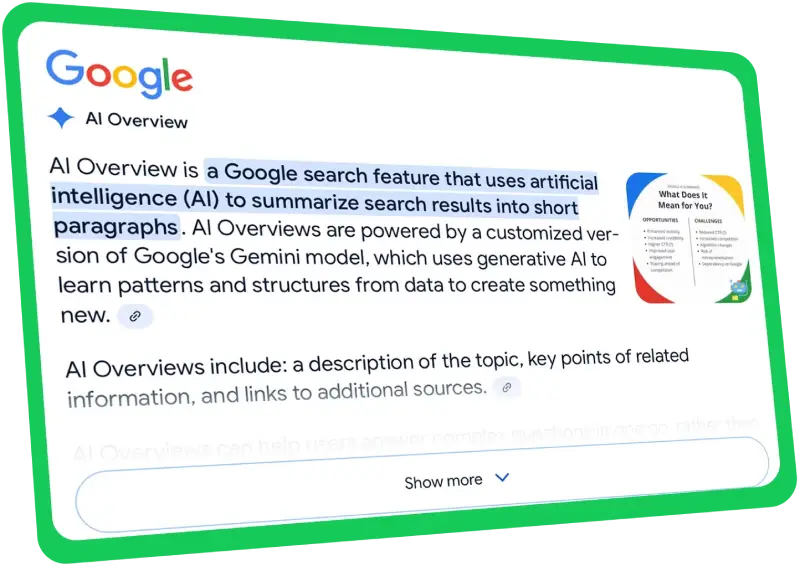
Optimize for AI Search and Answer Engines
In 2026, SEO extends beyond Google Search.
Your content should also be optimized for:
- AI Overviews
- ChatGPT
- Gemini
- Perplexity
- Bing Copilot
Create concise answers, structured headings, FAQs, tables, and entity-rich content to improve visibility across AI-powered search experiences.
Build Topical Authority
Instead of publishing isolated articles, develop comprehensive topic clusters.
For example:
Main Topic
On-page SEO
Supporting Content
- Meta Tags Guide
- Schema Markup Tutorial
- Internal Linking Strategy
- SEO Content Writing
- Technical SEO Checklist
- Core Web Vitals Guide
This cluster approach strengthens your authority and improves rankings across related searches.
Keep Content Fresh
Google values updated content.
Review important pages regularly by:
- Updating statistics
- Refreshing screenshots
- Adding new examples
- Improving readability
- Expanding sections
- Updating FAQs
Fresh content signals relevance to both users and search engines.
Monitor SEO Performance
Optimization doesn’t end after publishing.
Track important metrics such as:
- Organic traffic
- Keyword rankings
- Click-through rate
- Average position
- Indexed pages
- User engagement
- Conversion rate
Use tools like Google Search Console and Google Analytics to identify opportunities for continuous improvement.
Why Work with Harsh Mittal?
If you’re looking to improve your website’s visibility, Harsh Mittal – AI SEO Specialist & Digital Marketing Consultant helps businesses implement advanced SEO strategies that align with modern search engine algorithms and AI-driven search experiences.
From technical SEO and content optimization to schema implementation, internal linking, AEO, and GEO strategies, Harsh Mittal focuses on building sustainable organic growth that delivers measurable business results.
Whether you’re a startup, local business, or enterprise, adopting these future-ready on-page SEO techniques can significantly improve your search rankings, user engagement, and long-term online success.
Conclusion
On-page SEO in 2026 is no longer just about keywords—it’s about creating a complete user experience supported by technical excellence, semantic optimization, structured data, internal linking, and AI-friendly content.
Businesses that consistently publish helpful content, optimize every page, and adapt to evolving search technologies will continue to achieve higher rankings and stronger organic growth.
Investing in modern on-page SEO today ensures your website remains competitive across Google Search, AI-powered search engines, and the next generation of digital discovery.
Improve Your Website Rankings with Expert On-Page SEO
Ready to increase your organic traffic and outperform your competitors?
Harsh Mittal – AI SEO Specialist & Digital Marketing Consultant offers comprehensive on-page SEO services, including content optimization, schema markup, internal linking, technical SEO audits, and AI SEO strategies tailored to your business goals.
Contact today to build a future-ready SEO strategy that delivers sustainable rankings, qualified traffic, and measurable growth.
Frequently Asked Questions (FAQs)
What is on-page SEO?
On-page SEO involves optimizing individual web pages, including content, headings, meta tags, images, URLs, and internal links to improve search rankings.
Why is on-page SEO important in 2026?
It helps search engines understand your content, improves user experience, supports AI search visibility, and increases organic traffic.
Does schema markup improve SEO?
Yes. Schema markup helps search engines better understand your content and can increase your chances of earning rich results.
How important is internal linking?
Internal linking improves website crawlability, distributes authority, enhances user navigation, and strengthens topical relevance.
What is meta optimization?
Meta optimization involves creating effective title tags and meta descriptions that improve visibility and encourage higher click-through rates.
How often should I update my website content?
Review and refresh important pages every 6–12 months or whenever there are significant industry updates.
What are semantic keywords?
Semantic keywords are contextually related terms that help search engines understand your content beyond exact keyword matching.
How does AI impact on-page SEO?
AI search engines prioritize well-structured, authoritative, and helpful content that directly answers user queries.
Can on-page SEO improve local rankings in India?
Yes. Optimizing content with location-specific keywords such as On-page SEO India and implementing Local Business Schema can enhance local search visibility.
Why should I hire Harsh Mittal for on-page SEO?
Harsh Mittal combines AI-powered SEO, technical optimization, content strategy, schema implementation, AEO, and GEO best practices to help businesses achieve long-term organic growth and higher search engine rankings.