How to Rank in Google AI Mode and Win AI Search Visibility in 2026
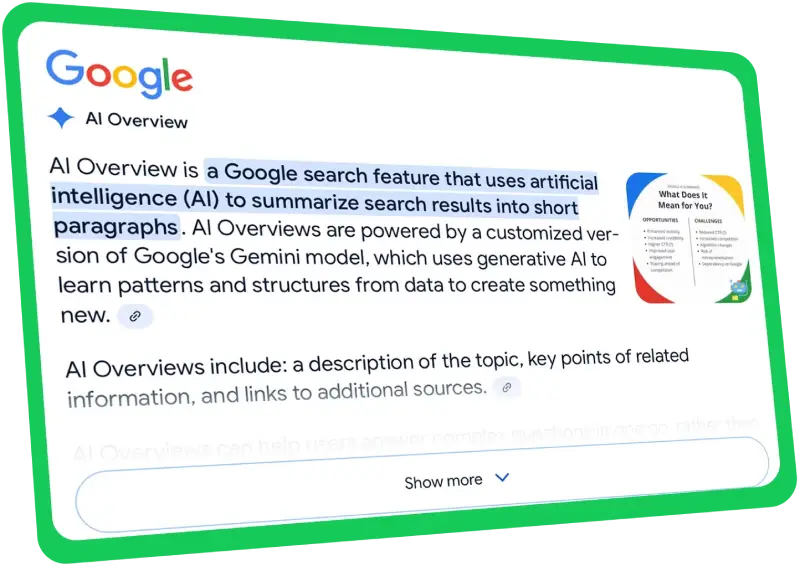
Google AI Mode is changing how people discover information, businesses, products, and services in search. Instead of simply displaying a traditional list of blue links, AI-powered search can understand complex questions, combine information from multiple sources, and provide more conversational answers.
For businesses, this means traditional SEO alone is no longer enough. Your website needs to be optimized not only to rank in Google’s conventional search results but also to become a reliable source that AI-powered search experiences can understand, reference, and recommend.
This is where Google AI Mode SEO, AEO, GEO, entity optimization, topical authority, and technical SEO become increasingly important in 2026.
What Is Google AI Mode SEO?
Google AI Mode SEO is the process of optimising a website, content ecosystem, and brand presence so that its information can be understood and surfaced within Google’s AI-powered search experiences.
Traditional SEO focuses heavily on rankings for specific queries. AI search introduces a broader challenge: Google may interpret a user’s entire question, identify the underlying intent, research multiple sources, and generate a synthesised response.
Therefore, businesses should focus on creating content that demonstrates:
- Strong topical expertise
- First-hand experience
- Trustworthy and accurate information
- Clear answers to user questions
- Strong entity relationships
- Relevant supporting content
- Technically accessible webpages
- Consistent brand information
- Author and business credibility
- Structured data where appropriate
The goal is not simply to rank for one keyword. The goal is to establish your website as a credible source across an entire topic or search journey.
Why Google AI Search Matters in 2026
Search behaviour is becoming increasingly conversational. Users can ask longer, more specific questions instead of entering short keyword phrases.
For example, rather than searching for “SEO consultant,” someone might ask:
“Who is the best AI SEO consultant for improving visibility across Google AI search and ChatGPT?”
An AI-powered search system has to understand the context behind the question. It may consider expertise, services, location, reputation, content quality, entities, websites, and other signals when determining useful sources.
This makes AI visibility an important SEO KPI.
Businesses should therefore monitor more than traditional rankings. Modern SEO strategies can also evaluate brand mentions, citations, visibility in AI-generated answers, referring queries, organic traffic, conversions, and the presence of a brand across relevant search ecosystems.
Focus on Keywords Related to Keywords
One of the most important strategies for Google AI Mode SEO is to stop thinking about keywords in isolation.
You should focus on keywords related to your primary keywords and build a complete semantic keyword ecosystem around the topic.
For example, if your primary keyword is Google AI Mode SEO, related keywords could include:
Google AI Search, AI SEO, AI search optimisation, Google AI Overviews SEO, AEO, GEO, Answer Engine Optimization, Generative Engine Optimization, AI visibility, AI search ranking, entity SEO, semantic SEO, topical authority, structured data, and conversational search.
These related terms help search engines understand the depth and context of your content.
Instead of creating separate, thin pages for every keyword variation, build comprehensive topic clusters where one authoritative page answers the main question and supporting pages address related questions.
Build Topical Authority for AI Search
Topical authority is becoming increasingly important because AI systems need to identify reliable information sources.
Suppose your business provides SEO services. One article about SEO may not establish strong expertise. A stronger content ecosystem could include detailed resources covering:
Technical SEO, on-page SEO, local SEO, ecommerce SEO, AI SEO, AEO, GEO, Google AI Mode SEO, schema markup, content optimization, entity SEO, SEO audits, and conversion optimization.
These pages can be strategically connected through internal links.
The result is a website that demonstrates comprehensive expertise rather than isolated keyword targeting.
Create Content That Directly Answers Questions
AI search is designed around questions and conversations. Your content should reflect this behavior.
Use clear headings that answer specific questions and provide concise answers before expanding into detailed explanations.
For example:
What is Google AI Mode SEO?
Provide a direct definition.
How does Google AI Mode choose information?
Explain the importance of relevance, quality, authority, context, and trustworthy sources.
How can businesses optimize for AI search?
Provide actionable strategies.
This structure makes your content easier for both users and search systems to understand.
Strengthen E-E-A-T and Brand Authority
AI search requires trustworthy information, especially for competitive and sensitive topics.
Businesses should strengthen signals associated with Experience, Expertise, Authoritativeness, and Trustworthiness.
Clearly identify authors, demonstrate professional experience, publish original insights, reference credible information when necessary, maintain accurate business information, and develop a recognizable brand entity.
For personal brands and consultants, this is particularly important.
Harsh Mittal – AI SEO Specialist & Digital Marketing Consultant focuses on combining technical SEO with AI search optimization, AEO, GEO, and digital growth strategies to help businesses improve their visibility across modern search experiences.
A strong personal brand can support SEO by connecting expertise, content, services, social profiles, publications, and other relevant digital entities.
Optimize Your Website Technically
AI search optimization still depends on strong technical SEO fundamentals.
Your website should be crawlable, indexable, mobile-friendly, fast, secure, and logically structured.
Pay particular attention to:
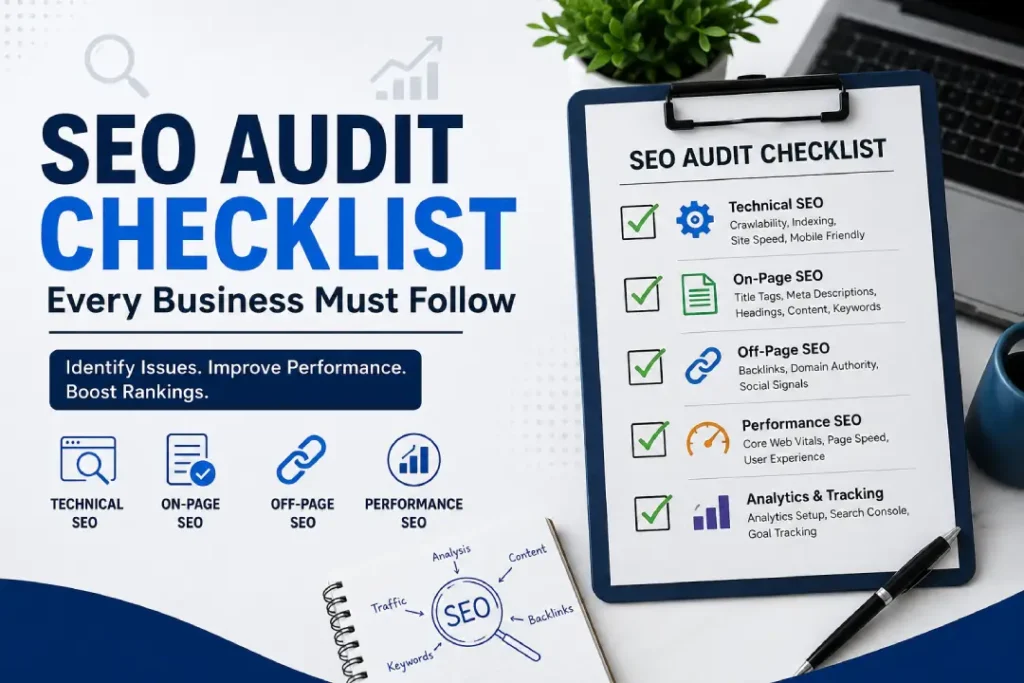
- Crawlability and indexation
- Internal linking
- Canonical URLs
- XML sitemaps
- Page speed and Core Web Vitals
- Mobile usability
- Structured data
- Clean URL structures
- Duplicate content
- JavaScript rendering
- HTTP status codes
AI SEO does not replace technical SEO. Instead, it builds on it.
If search engines cannot efficiently access and understand your content, advanced AI optimization strategies will have limited value.
Use Structured Data and Entity Optimization
Structured data can help search engines understand important information about your organization, services, articles, products, authors, and other entities.
Depending on the page, relevant schema types may include Organization, Person, LocalBusiness, Article, Service, Product, FAQPage, and BreadcrumbList.
However, schema should accurately represent visible and relevant information. It should not be used to manipulate search engines with misleading claims.
Entity optimization should also extend beyond schema.
Maintain consistent information about your brand across your website and reputable external platforms. Connect your organization, people, services, locations, publications, and other relevant entities wherever appropriate.
Create Content for Multiple Search Journeys
Google AI Mode can help users move from broad research to specific decisions.
Your content strategy should therefore cover the entire funnel.
For informational searches, create educational guides.
For commercial searches, create comparisons, service explanations, case studies, and buyer guides.
For transactional searches, optimize service and product pages with clear value propositions, trust signals, FAQs, and conversion paths.
This creates a content ecosystem capable of supporting users throughout their search journey.
Measure AI Search Visibility
Traditional keyword rankings remain useful, but AI SEO requires additional measurement.
Track:
- AI-generated mentions
- Brand citations
- AI search visibility
- Organic impressions and clicks
- Non-branded search growth
- Branded search growth
- Referral traffic
- Conversion rates
- Content engagement
- Topical keyword coverage
- Featured search appearances
The objective is to understand whether your brand is becoming more visible and authoritative across the evolving search landscape.
Google AI Mode SEO Is the Future of Search Optimization
Google AI Mode represents a significant evolution in how users interact with search. Businesses that continue optimizing exclusively for traditional blue-link rankings may miss opportunities created by AI-powered discovery.
The strongest strategy is not to abandon traditional SEO. It is to expand it.
Combine technical SEO, content strategy, AEO, GEO, entity optimization, topical authority, structured data, brand authority, and conversion optimization into one integrated AI search strategy.
In 2026, the question is no longer simply:
“How do I rank #1 on Google?”
The better question is:
“How can I make my brand the trusted source that search engines and AI systems recognize, understand, and recommend?”
That is the foundation of modern Google AI Mode SEO.
Frequently Asked Questions About Google AI Mode SEO
What Is Google AI Mode SEO?
Google AI Mode SEO is the process of optimizing websites, content, entities, and brand authority to improve visibility within Google’s AI-powered search experiences.
How Can I Rank in Google AI Mode?
Create authoritative content, answer user questions directly, build topical authority, optimize technical SEO, strengthen entities, use relevant structured data, and target related semantic keywords.
What Keywords Should I Use for Google AI Search?
Use your primary keyword along with related keywords, semantic terms, long-tail phrases, question keywords, entities, and search-intent variations.
Does Traditional SEO Still Matter for Google AI Mode?
Yes. Technical SEO, content quality, relevance, crawlability, indexing, internal linking, and authority remain important foundations for AI search optimization.
What Is the Difference Between AEO and GEO?
AEO focuses on optimizing content for direct answers, while GEO focuses on improving visibility and representation within generative AI and AI-powered search experiences.
Does Schema Markup Help With AI Search?
Accurate schema can help search engines understand webpage information and entities, but it should be used alongside strong content and technical SEO.
How Important Is Topical Authority for AI Search?
Topical authority is important because comprehensive, interconnected content can demonstrate expertise and relevance across an entire subject.
Should I Create Separate Pages for Every Related Keyword?
No. Avoid creating thin pages simply to target keyword variations. Combine closely related topics where appropriate and create useful supporting content around major subjects.
How Do I Measure AI SEO Performance?
Track AI visibility, brand mentions, citations, organic impressions, clicks, rankings, branded searches, referral traffic, leads, and conversions.
Who Can Help With Google AI Mode SEO?
An experienced AI SEO Specialist can develop an integrated strategy combining technical SEO, AEO, GEO, content optimization, entity SEO, and digital marketing. Harsh Mittal is an AI SEO Specialist & Digital Marketing Consultant specializing in AI-focused SEO and digital growth.